
On this page
- Start with the searches that matter
- Build a website around useful service pages
- Complete the Google Business Profile
- Ask for genuine reviews consistently
- Keep business information consistent
- Publish content that answers buying questions
- Strengthen the technical foundations
- Measure leads, not only rankings
- A practical first month
Getting found on Google in Tamworth is not about repeating Tamworth on every page. Google needs clear information about what the business does, where it operates and whether people appear to trust it. Customers need the same clarity.
Local search results can include map listings, standard website results, adverts and directories. A business may appear in one area and not another because each result is influenced by relevance, location, competition and the quality of the available information.
Start with the searches that matter
List the services customers genuinely ask for and the areas you actually cover. A heating engineer may need visibility for boiler repair, boiler replacement and bathroom installation rather than one broad plumbing phrase.
Search intent matters. Somebody looking for an emergency electrician wants contact details and availability quickly. Somebody comparing a larger commercial service may need evidence, coverage and a clear quotation process.
Build a website around useful service pages
Give important services enough space to answer customer questions. Explain what is included, who it is for, where it is available and how to enquire. Use descriptive page titles and headings, but write for the person making the decision.
A single page listing every service gives Google and customers very little detail. The opposite extreme is also harmful. Dozens of weak location pages with near identical wording are unlikely to help and can make the site look untrustworthy.
Veyron's web design in Tamworth combines customer focused pages with the technical foundations search engines need.
Complete the Google Business Profile
Use the real business name, correct primary category, current opening hours, working telephone number and accurate website. Add relevant services and clear photographs. If customers visit your premises, the address should match the real location. Service area businesses should follow Google's address and service area rules.
Our full Google Business Profile guide covers categories, reviews, posts and common mistakes.
Ask for genuine reviews consistently
Reviews give potential customers useful reassurance and provide Google with current information about the business. Ask after a completed job or successful purchase when the experience is still fresh. Make the link easy to use and respond professionally.
Do not offer rewards for positive reviews or ask staff and family to manufacture them. A natural pattern of genuine feedback is safer and more valuable.
Keep business information consistent
Your name, address and phone number should be consistent across the website, Google profile and useful directories. Fix old telephone numbers, duplicate listings and incorrect addresses. This is often called citation management, but the practical job is simply making sure customers and search engines see reliable information.
Choose directories that people or businesses in your sector actually use. Hundreds of low quality listings create administration without necessarily creating value.
Mention Tamworth, Birmingham, Lichfield or Sutton Coldfield where they genuinely describe your customers, coverage or work. Do not turn every sentence into a list of locations.
Publish content that answers buying questions
Useful content can explain costs, timescales, choices, maintenance or preparation. It should support a real customer decision and connect naturally to the relevant service.
A bathroom installer might explain how long a typical refit takes. An accountant might explain what records a new business should keep. The aim is not to publish for the sake of activity. It is to create the best available answer your business can genuinely provide.
Strengthen the technical foundations
- Use one clear main heading on each page
- Write unique page titles and descriptions
- Keep URLs short and descriptive
- Make navigation and internal links crawlable
- Compress images and maintain good mobile performance
- Provide a sitemap and sensible crawl rules
- Add appropriate business and service structured data
- Track forms, calls and other useful customer actions
Measure leads, not only rankings
A ranking report does not show whether the right customers arrived. Track calls, forms, bookings and quote requests. Review which pages and searches contribute to genuine opportunities.
Search visibility takes time, particularly in competitive sectors. Paid search can provide earlier demand while the organic foundations develop. The guide to SEO and Google Ads for local businesses explains how the two routes differ.
A practical first month
- 01Check the search results
Search the important services from the locations you serve and record what customers currently see.
- 02Fix core business information
Correct the website, Google profile, opening hours, contact details and obvious duplicate listings.
- 03Improve priority pages
Strengthen the services most likely to create valuable enquiries before expanding the site.
- 04Build a review routine
Choose the point in the customer journey when a genuine review request will be most appropriate.
- 05Connect measurement
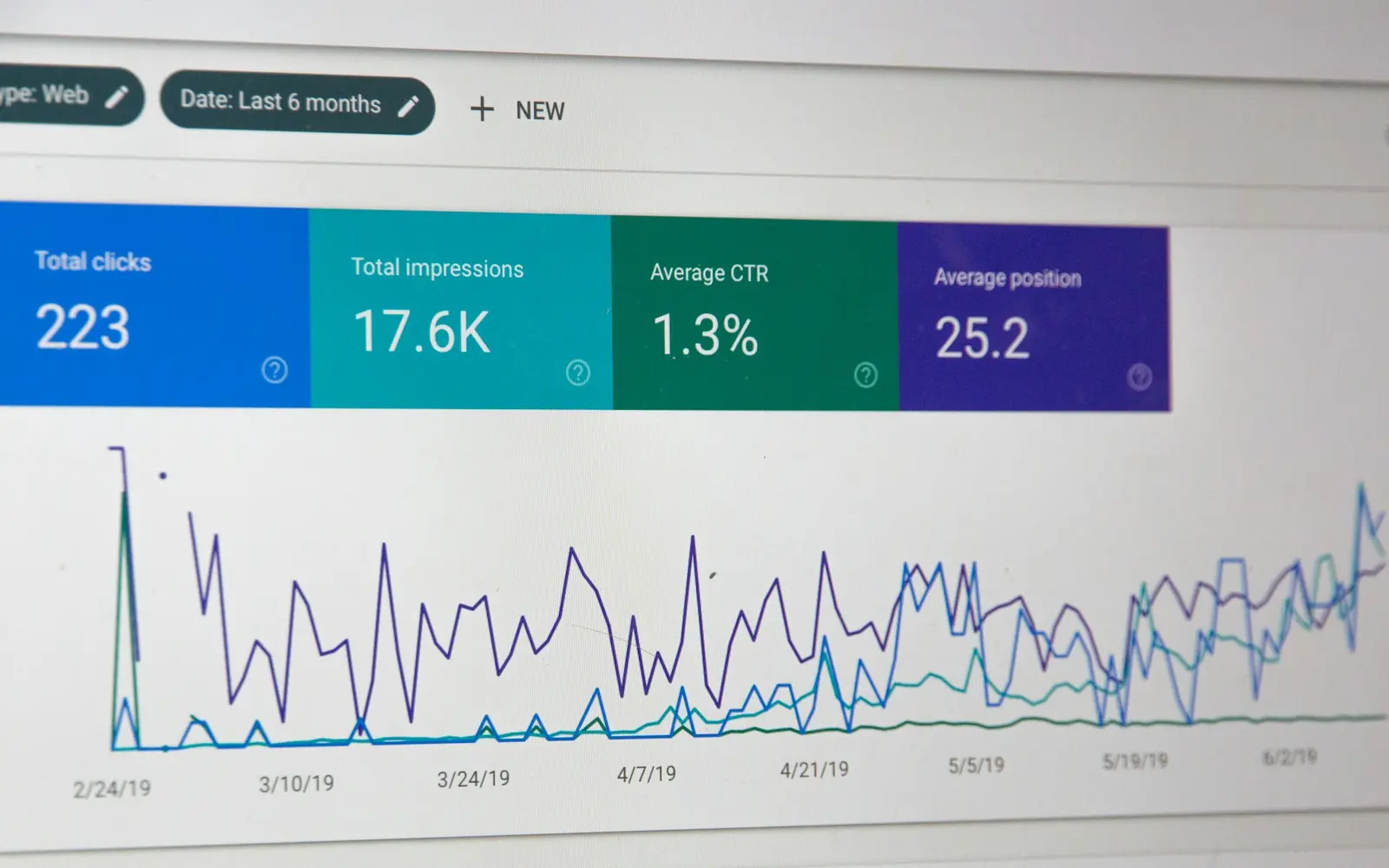
Use Search Console, analytics and conversion tracking to understand visibility and customer action.